


Back to Class | De Vuelta a Clases
Happy August! To kick off the back-to-school season, we interviewed Arley Rodas Lara, coordinator of SRJC's HOPE program and one of our newest Mental Health Talent Pipeline students. We're also excited to share a Healdsburg Tribune article about our recent efforts to support Healdsburg High's Wellness Center!

Dear Friends,
Our communities are entering a moment that asks all of us to think about how we can support the programs and services people rely on every day.
Federal and state funding is being reduced or eliminated for vital programs—from healthcare and behavioral health to housing, food security, transportation, and other essential supports. These cuts have a real impact on our neighbors and families.
We are already seeing what this could mean here in California. H.R. 1, often called the “One Big Beautiful Bill,” includes major cuts to Medicaid funding, putting real pressure on Medi-Cal and the providers who rely on it.
For communities like ours, this is not abstract. If people lose or struggle to maintain Medi-Cal coverage, local health and behavioral health providers may see more uncompensated care and greater demand for services. Changes to CalFresh could also make food assistance harder to access.
Federally Qualified Health Centers (FQHCs) and other community nonprofits will feel these changes, too. When patients lose coverage, they still need care, which can mean more uncompensated care and greater financial pressure on organizations already operating with tight margins.
These changes make local philanthropy even more important. We cannot fill a gap this large with charitable dollars alone, but we can help organizations adapt and build more sustainable funding models.
At the Healthcare Foundation Northern Sonoma County, we believe philanthropy can be more than a safety net. We can step forward as partners, conveners, and investors in the long-term health of our community. Philanthropy cannot replace government funding, but we can help our community navigate moments of change and invest in solutions that can make a lasting difference.
Part of that work is helping organizations become more financially sustainable. We are prioritizing support for organizations that have the potential to bill for services they are already providing. When appropriate, philanthropy can serve as a bridge to Medi-Cal or other public funding, helping protect vital services today while creating a more sustainable path forward.
We are seeing this need across northern Sonoma County. Community organizations are being asked to do more with less while needs continue to grow. This is a moment for philanthropy to listen, take thoughtful risks, and invest in the people and organizations already doing the work.
This is a challenging time, but it is also a chance to step up together. Philanthropy can’t replace public investment, but it can stand alongside our community and help keep vital services available to the people who need them most.
We are so grateful for your support and advocacy. We could not do this work without you. I’m especially excited for you to read this month’s article featuring Arley, one of the newest participants in our Mental Health Talent Pipeline program.
Warmly,

Amy Ramirez
Executive Director
A Conversation with 2026 Mental Health Talent Pipeline Scholar Arley Rodas Lara
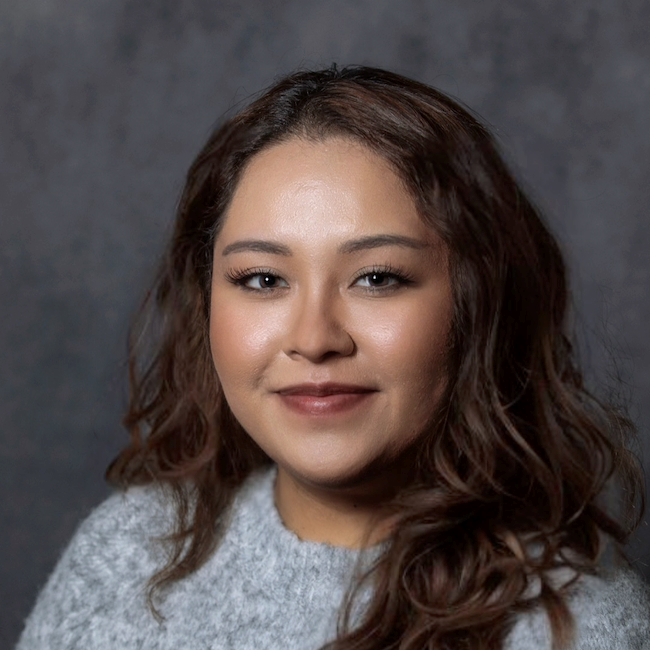
Arley Rodas Lara is one of three new Mental Health Talent Pipeline scholarship recipients who begin their studies this month in USF Santa Rosa’s three-year master’s program in counseling psychology.
As a Sonoma County native and first-generation college graduate with a double degree in psychology and Latin American Studies (UC Santa Cruz, 2021), Arley has long been focused on serving especially first-generation students who, like her, did not have the benefit of a family history of higher education and the familiarity and support that can afford.
Indeed, readers of this newsletter will already know Arley as the dedicated Coordinator of Santa Rosa Junior College’s outstanding HOPE (Health Occupation Preparation Education) Program, where she supports the success of underrepresented and first-generation students pursuing careers in healthcare and the health sciences.
“It’s really an inspiration to me to see HOPE students that have such a passion for the fields that they’re going into, for wanting to care for others and help others,” says Arley, who began her own undergraduate studies at SRJC before transferring to UC. “That has fueled the interest I developed at UC Santa Cruz and my wanting now to pursue this further as a professional therapist.”
Read the Full Article (4 min read)
New Program! Volunteers needed for Conexión Cloverdale

Transportation shouldn’t be the reason someone misses a medical appointment or feels isolated. Conexión Cloverdale helps remove that barrier so people can stay healthy, independent, and connected.
Conexión Cloverdale is a volunteer-based transportation program for seniors age 60 and older and for adults with disabilities who live in Cloverdale and nearby areas. We help people get to important appointments and essential errands.
Now seeking volunteers!
This program is supported by a grant from the Joseph & Vera Long Foundation
In the News: A Safe Space for Students Under Stress
Wellness Center short-staffed as the bell rings
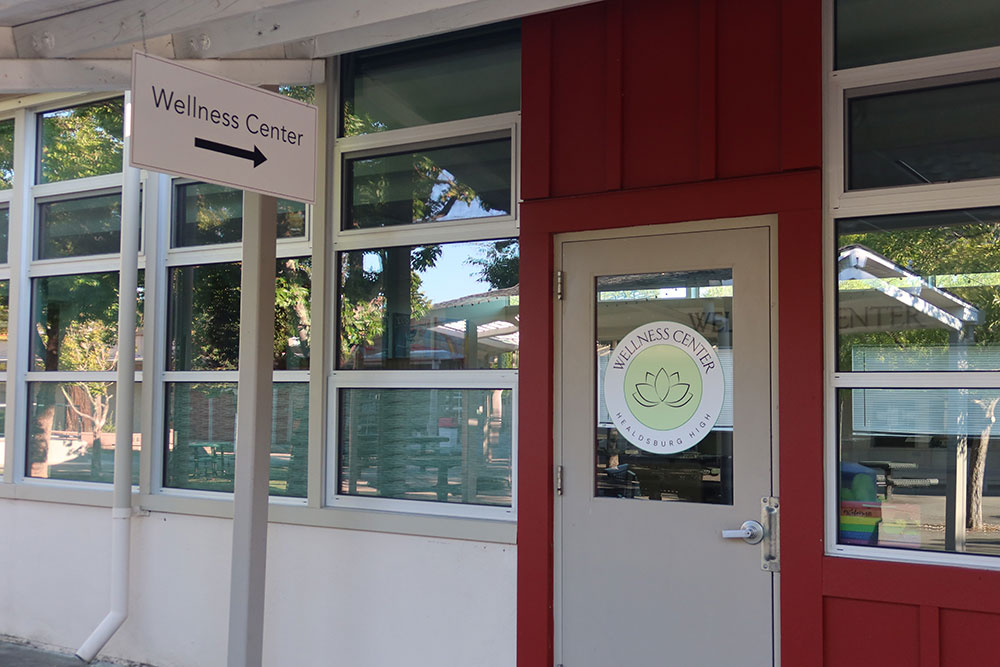
The High School Wellness Center faces a significant threat due to school district budget cuts that have eliminated the full-time intake coordinator position. This role is essential for keeping the center open during school hours to meet the needs of Healdsburg students.
The total cost for the position is $84,000. The foundation has raised $25,000, leaving a $59,000 shortfall. Barbara and Howard Wollner, well-known benefactors of many local programs, donated $10,000 in July, making a significant contribution toward the goal. Other supporters of the Healthcare Foundation have contributed another $15,000 to date.
“The Healdsburg High School Wellness Center serves as a trusted, accessible space where students can seek support, build resilience, and access mental health services without stigma,” read a statement from the Healthcare Foundation Northern Sonoma County. A follow-up conversation with Amy Ramirez, the foundation’s executive director, shed further light on the impact of this budget cut.
“The loss of this position has a direct impact on the availability of therapeutic services to students,” she said. “By placing additional administrative and care coordination responsibilities on clinicians, the elimination of the Intake Specialist reduces the time that the center can be open for direct services during school hours.”
Read the Full Article on the Healdsburg Tribune
Update: Since the article was published, we’ve met our funding goal thanks to the generosity of our community!

Related News + Stories


Invest in Our Community
Your support is vital to our collective vision of eliminating health inequities in northern Sonoma County.
Donate