

Bridging the Gap: Expanding Senior Mental-Health Access and Civic Participation in Cloverdale
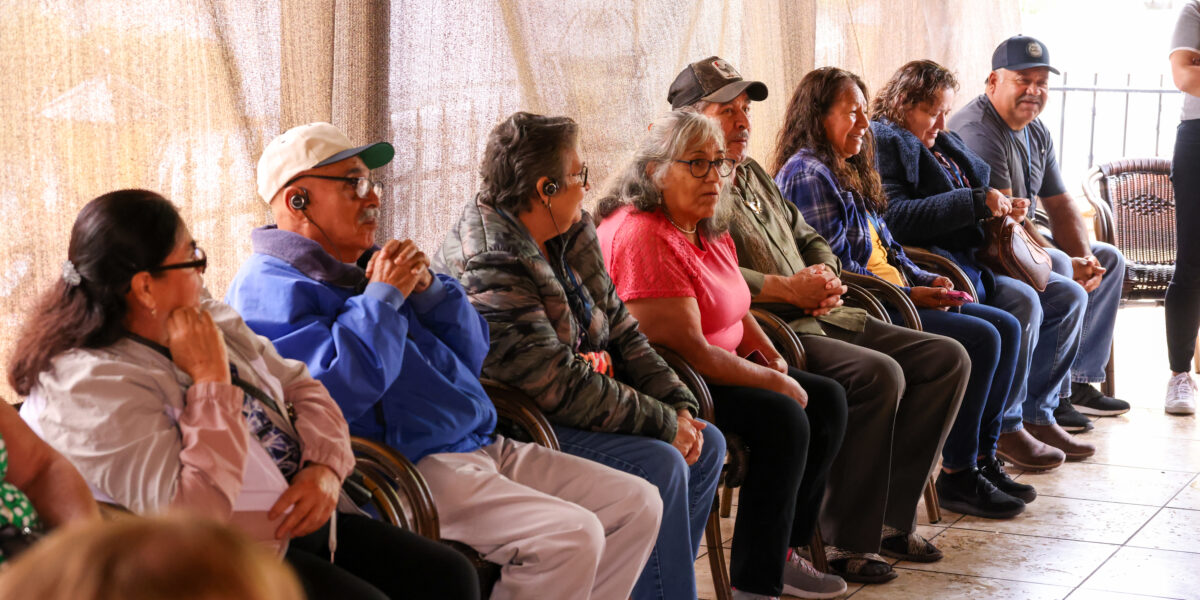
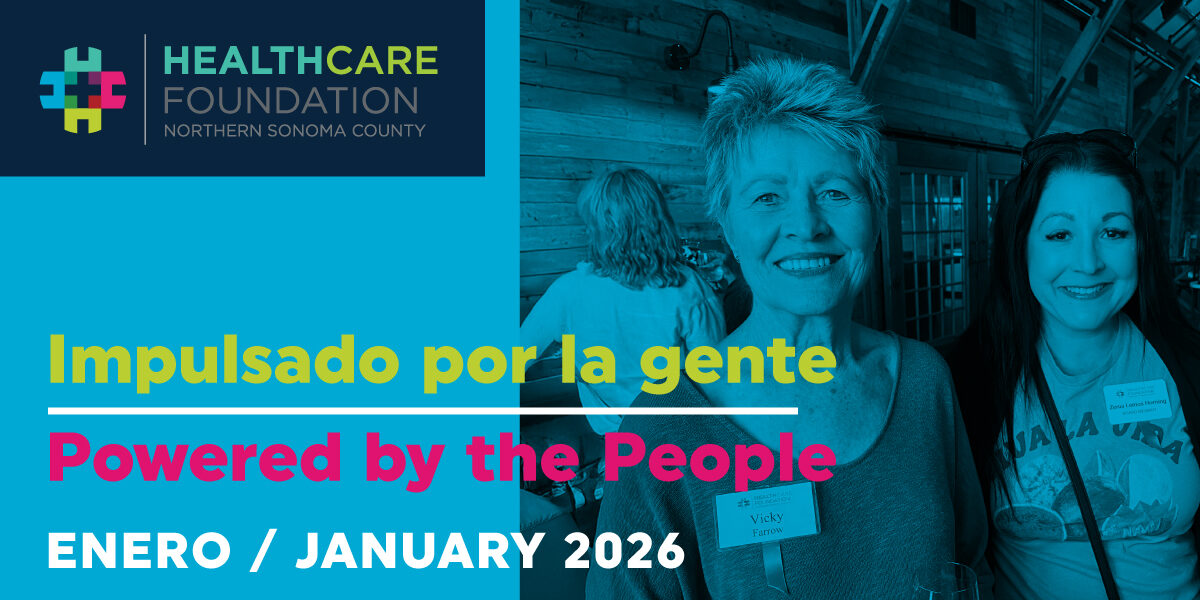
4 min read. Photo: Participants at the Cloverdale ECO Group meeting on September 10. Photo credit: Will Bucquoy.
In the rural heart of northern Sonoma County, many older—particularly Latine—adults in Cloverdale face a paradox of proximity and isolation. Just 20 minutes north of more affluent Healdsburg, seniors here contend with limited healthcare access, transportation hurdles, and linguistic and cultural barriers to mental-health care, along with other challenges to aging in place.
Recognizing this landscape, the Healthcare Foundation has advanced initiatives to expand mental-health access for older adults while strengthening the resilience and community engagement needed to combat social isolation and its impact on health and wellbeing.
These initiatives include the Cloverdale ECO Group, now in its second year. Launched in early 2024 by the Healthcare Foundation and community partners, and supported by The SCAN Foundation in partnership with the California Health Care Foundation, the ECO Group centers older adults in a collaborative exploration of health inequities and community-driven solutions.
Complementing this work is the Healthcare Foundation’s newly secured Kaiser Permanente grant, which underwrites an expansion of bilingual/bicultural mental-health services for seniors delivered through a partnership between On the Margins (OTM) and La Familia Sana (LFS)—two organizations also central to the ECO Group’s success.
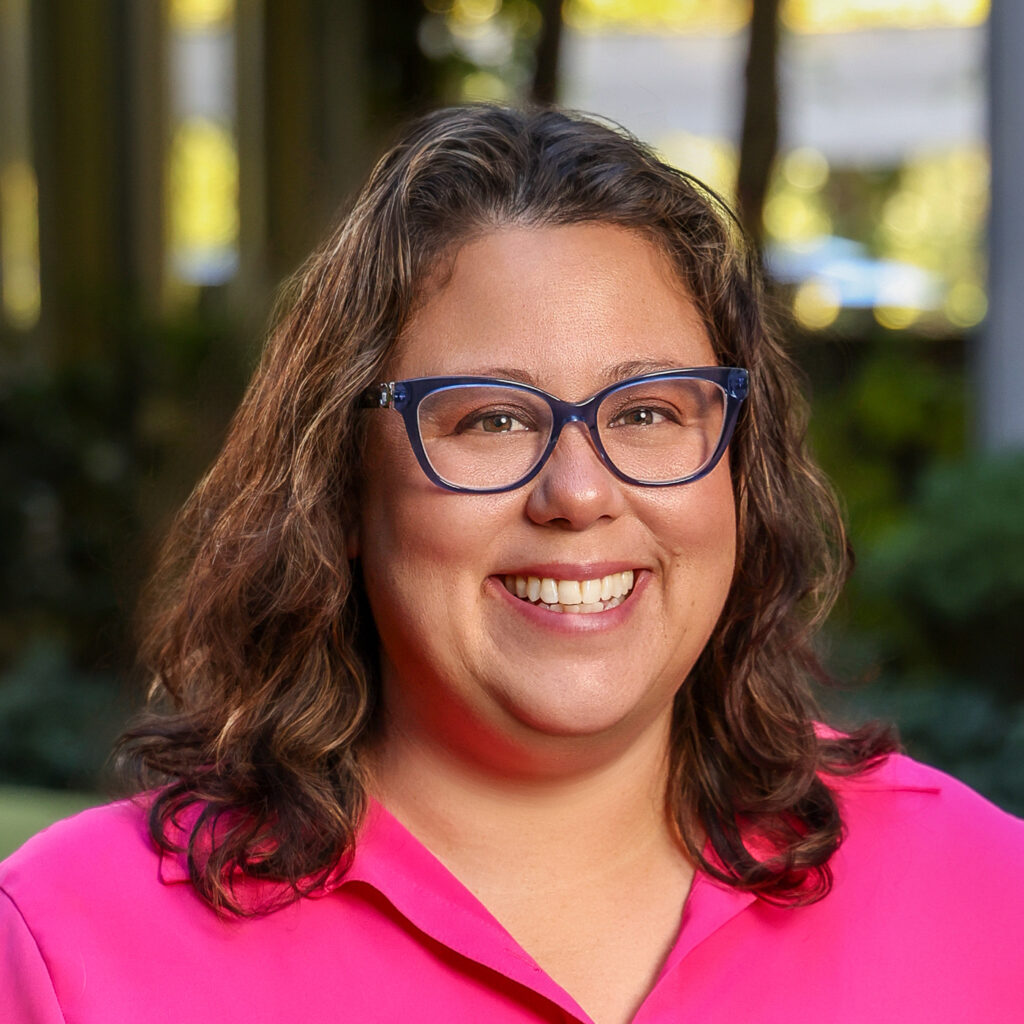
“At the heart of both initiatives are three shared goals,” says La Familia Sana Executive Director Jade Weymouth. “Reducing isolation and strengthening social connection; expanding access to mental-health and support resources that feel safe and culturally grounded; and raising the voices of older adults so programs actually fit the reality of Cloverdale’s seniors.”
“We’re already seeing individuals who had previously been isolated become more engaged, attend groups regularly, and reach out for help sooner.”
Jade Weymouth, La Familia Sana
Expansion of In-Person Mental-Health Services
In the co-designed mental-health expansion, OTM provides clinical and trauma-informed services, embedding two therapists on site at La Familia Sana. LFS, in turn, serves as the trusted bridge to seniors, offering referrals, cultural connection, and community presence.
“Our partnership with On the Margins is rooted in mutual respect,” says Weymouth. “They bring deep clinical expertise; we bring cultural humility, community trust, and day-to-day relationships with families. We complement each other well.”
She adds that the Healthcare Foundation has allowed the work to “grow at the pace of trust,” knowing seniors in rural communities “join when they feel connected, respected, and invited with dignity.”
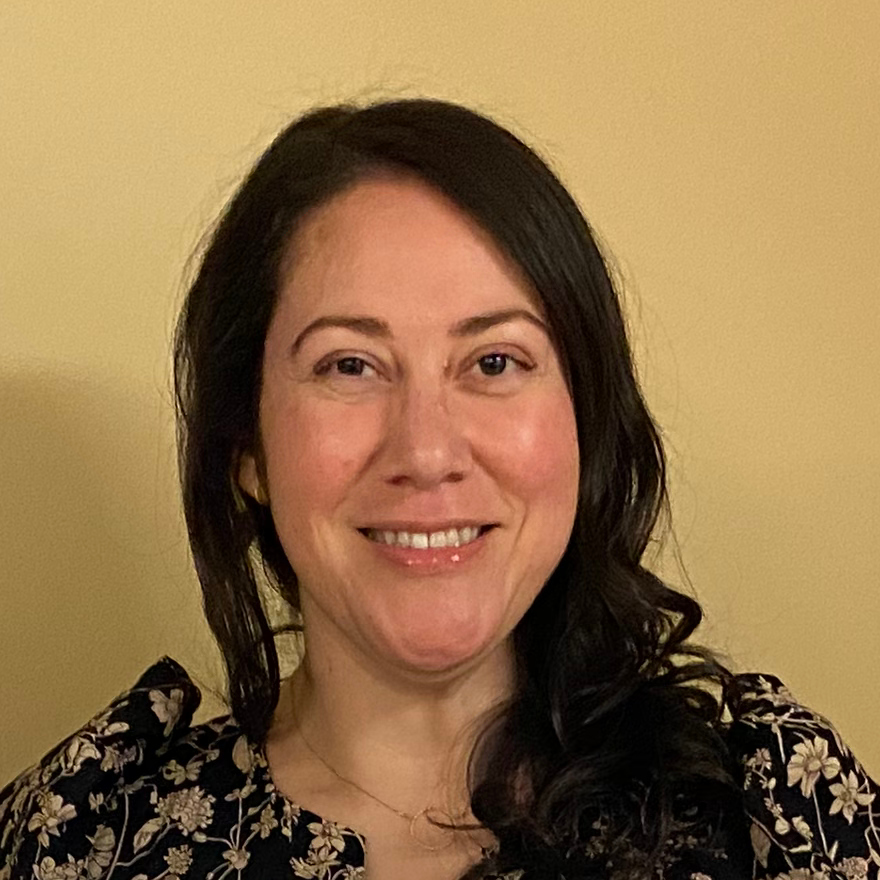
On the Margins Interim CEO Cindy Berrios emphasizes that this partnership began several years ago, eventually establishing OTM as a known mental-health provider in Cloverdale.
“The Kaiser grant, at the initiative of the Healthcare Foundation, has allowed us to continue and expand our services with seniors who otherwise would not have access,” she says. “Just this week, two therapists were able to continue working with their senior clients because of this funding.”
Berrios adds that in-person therapy is especially important in Cloverdale where telehealth can be compromised or eschewed because of frequent internet interruptions (particularly during hot weather) and a relative lack of tech literacy.
Why Focus on Seniors?
“Senior mental health is very important—and often goes untreated,” Berrios explains. “The highest rate of suicide nationally is among white males 70 and over. And by 2030, about 16% of seniors will be diagnosed with a mental-health disorder.”
Some conditions emerge or intensify later in life—such as depression tied to aging, grief, health decline, or caregiving stress. Many Cloverdale seniors are accessing therapy for the first time. Berrios shares the example of a couple in their 70s who began individual therapy and then transitioned to couples counseling—an option previously inaccessible to them.
Weymouth notes that LFS helps identify seniors who would benefit from deeper support and makes “warm introductions so people don’t fall through the cracks.” They also work with partners to address barriers such as stigma, cost, transportation, fear, and language.
The Importance of Bicultural as Well as Bilingual Therapists
Berrios highlights the need for therapists who are not only Spanish-speaking but bicultural.
“It offers a shared experience and a sense of knowing,” she says. “There are concepts, phrases, and experiences that don’t translate. When a therapist is bicultural—first- or second-generation—clients don’t have to explain the context. That strengthens the therapeutic alliance and enhances the process.”
This depth of cultural resonance helps seniors feel seen and understood, reducing reluctance to seek help and building trust more quickly.
Mental Health Services for Seniors in Cloverdale: What does the expansion look like?
- Two On the Margins clinicians are now embedded on site at La Familia Sana in Cloverdale, thereby eliminating long travel, limited ride-share options, and inconsistent telehealth access (due to spotty internet, especially on hot days, and a relative lack of tech literacy among the service population).
- Modalities include individual, couples, family, and group therapy, as well as specialized trauma treatment—such as EMDR (Eye-Movement Desensitization & Reprocessing), which is offered at no cost to seniors (who might otherwise pay $250–$350 per session).
- Therapy is becoming accessible to many older adults for the first time, giving them support through major life transitions that often trigger mental-health challenges—such as retirement, shifting family roles, loss of loved ones, chronic health changes, and the growing complexities of aging. This expansion ensures that seniors who have never before had access to counseling can now receive timely, ongoing care tailored to the emotional and developmental needs of later life.
- Linguistic and cultural sensitivity: Spanish-speaking and bicultural providers strengthen trust and therapeutic alliance, reducing the stigma and inertia that often prevent first-time therapy engagement in later life.
Early Impact
According to Weymouth, “We’re already seeing individuals who had previously been isolated become more engaged, attend groups regularly, and reach out for help sooner.” Seniors who once viewed therapy as unattainable are now participating—thanks to promotores, on-site clinicians, and the elimination of travel and technology barriers.
Both leaders confirm that demand remains high, but waitlist outreach and culturally grounded engagement are keeping seniors connected rather than discouraged. The expansion is generating “community ripples of well-being.”
Civic Empowerment: Year Two of the Cloverdale ECO Group
Aligned with the mental-health expansion is the ECO Group, now in its second year. The cohort of roughly 28 Latine seniors meets monthly to discuss health inequities, build relationships, and develop civic voice.
“It’s supporting folks who are historically marginalized,” says Berrios. “People who never saw themselves attending a city council meeting are now seeing themselves as belonging within a political process.”
Weymouth adds, “People who didn’t talk much at first are now sharing stories, asking questions, making new social connections, and calling the office asking, ‘When is the next group?’” The group has become a trusted circle where seniors speak openly about transportation challenges, caregiving stress, grief, and the need for belonging.
“Seniors show up with honesty and vulnerability,” Weymouth says. “They bring humor, decades of perspective, as well as concerns about housing, income, and health—all with a deep desire to contribute and stay connected.”
“When a therapist is bicultural, clients don’t have to explain the context. That strengthens the therapeutic alliance and enhances the process.”
Cindy Berrios, On the Margins
They also give clear, candid feedback when asked, demonstrating the confidence that comes with being invited into decision-making roles.
In year two, the ECO Group’s strength lies in both micro-level and macro-level impact: building meaningful peer community while fostering systems change. Seniors are moving from “participants” to “contributors,” co-authoring agendas and stepping into leadership.
“They are the experts,” says Weymouth. “We’re simply the bridge.”
Looking Forward
Together, the expanded mental-health services and the ECO Group reflect the Healthcare Foundation’s commitment to health equity, culturally sensitive care, and the broader social determinants of health. Early outcomes—seniors newly accessing therapy and other resources, forming peer groups, attending civic meetings, and animating their individual and collective voice—demonstrate significant impact while pointing toward scalable models for other rural communities.
Sustaining this work will require continued investment, rigorous evaluation, and deepening partnerships. The Healthcare Foundation remains a key convener and collaborator, ensuring that resources flow where they are most needed.
“La Familia Sana has stepped into these initiatives with the same approach we bring to everything,” says Jade Weymouth, articulating an approach shared across all partners: “listen first, honor lived experience, and build with community rather than for them.”

Related News + Stories


Invest in Our Community
Your support is vital to our collective vision of eliminating health inequities in northern Sonoma County.
Donate